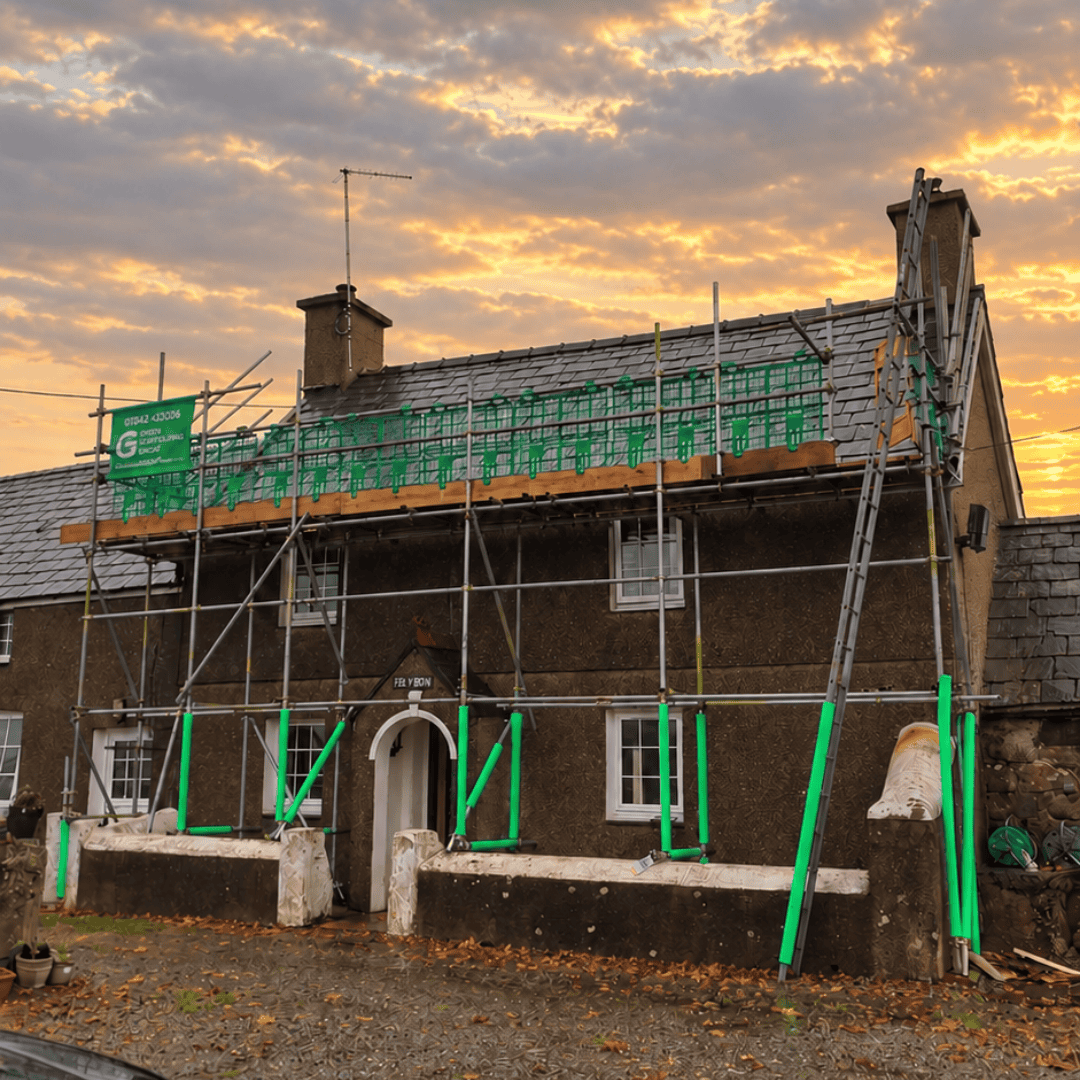
Autumn has arrived in North Wales, bringing falling leaves, shorter days and the return of wetter and windier weather.
Before winter sets in, it’s worth checking the outside of your property and dealing with any maintenance that may have been overlooked during the summer. A small problem now, such as a slipped roof slate or blocked gutter could become a much more expensive repair after several months of heavy rain, frost and strong winds.
Here are five important exterior jobs to consider this autumn, along with advice on when scaffolding may be needed to complete the work safely.
Inspect Your Roof for Damage
Your roof protects your home throughout the year, but autumn and winter can be particularly demanding. Wind, rain and freezing temperatures can make existing damage worse, so it’s sensible to identify any problems as early as possible.
Look out for:
-
Missing, cracked or slipped roof slates
-
Damaged ridge tiles
-
Loose or deteriorating flashing
-
Sagging areas of the roof
-
Watermarks or damp patches inside the loft
-
Moss or debris collecting on the roof
You may be able to spot some warning signs from ground level, but you should never climb onto the roof yourself without the correct training and safety equipment.
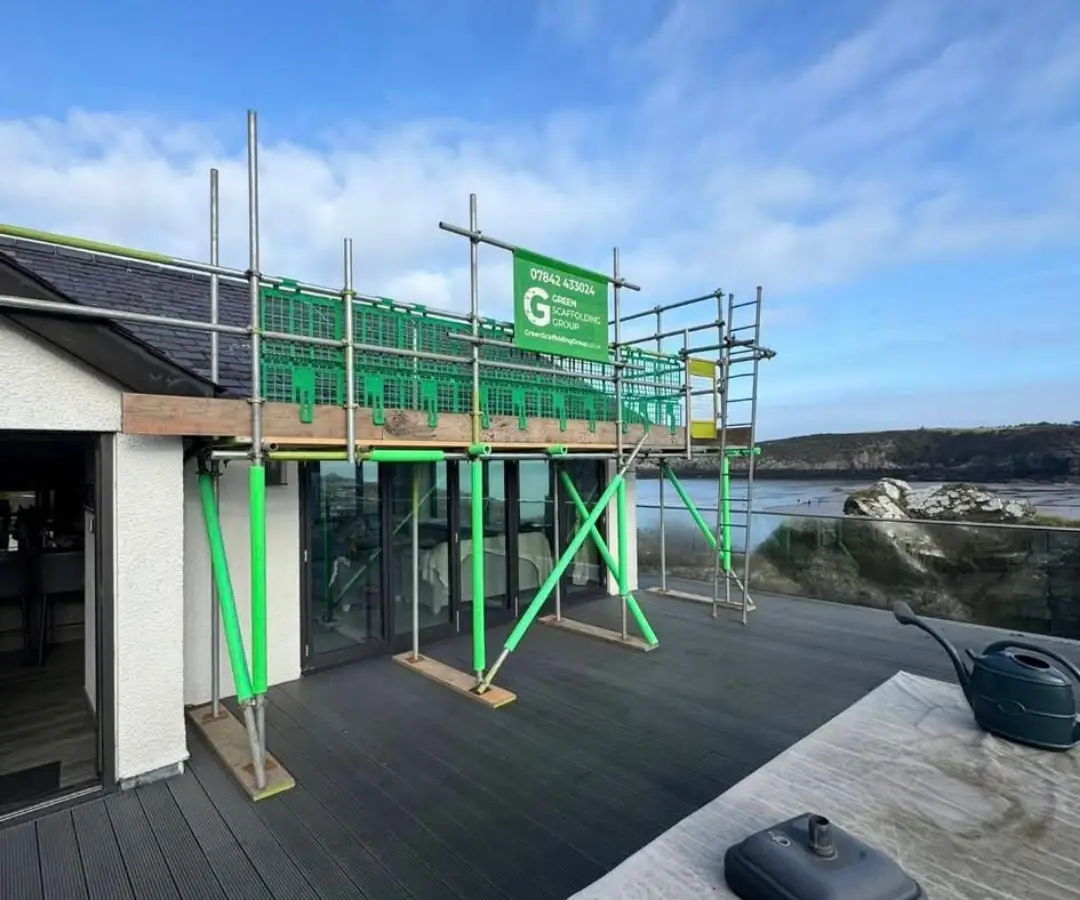
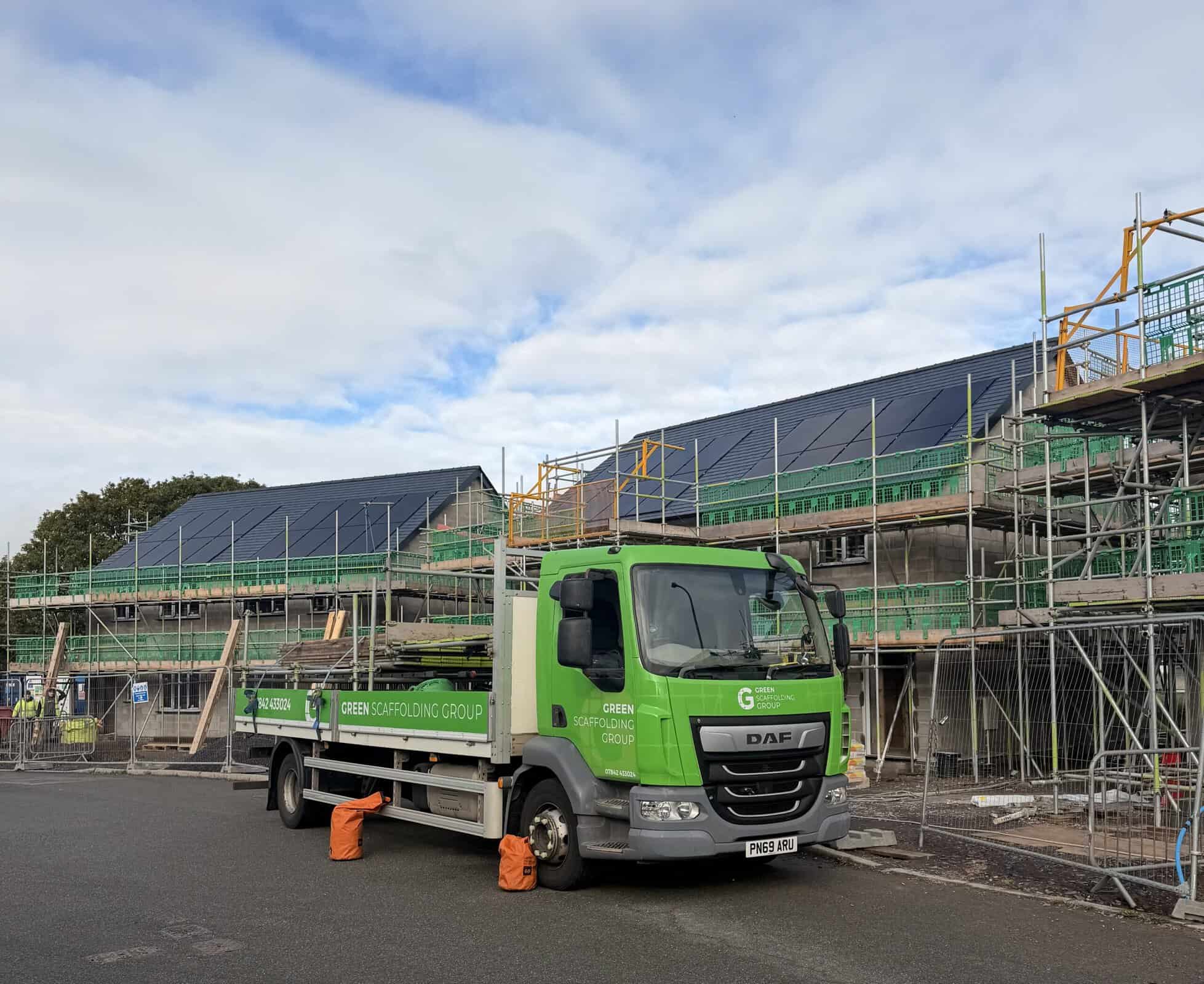
If repairs are required, suitable scaffolding provides roofers with a secure working platform and safe access to the affected area. This is especially important on taller properties, steep roofs or homes with difficult access.
Clear and Inspect your Gutters
Falling leaves, moss and other debris can quickly collect in gutters during autumn. When a gutter becomes blocked, rainwater cannot drain away properly and may begin overflowing onto the roof, walls or foundations.
Over time, overflowing water can contribute to damp, mould, stained walls, damaged render and rotting fascias. The weight of trapped water and debris can also cause guttering to sag or pull away from the property.
Check your gutters and downpipes for visible blockages, cracks, leaking joints or loose brackets. It is also worth looking at the ground after heavy rain to see whether water is draining where it should.
Gutters on some single-storey buildings may be accessible using suitable equipment. However, higher or difficult-to-reach areas require a safer access solution. Depending on the property and the amount of work involved, scaffolding may be more suitable than trying to complete the job from a ladder.
Check Your Chimney and Flashing
Chimneys are constantly exposed to the North Wales weather, which means deterioration can easily go unnoticed until it causes a larger problem.
Look for damaged pointing between the bricks, cracked chimney pots, crumbling masonry or loose lead flashing. Damp patches around the chimney breast inside the property can also suggest that water is entering around the chimney.
Damaged flashing can allow rainwater to get through the area where the chimney meets the roof. Loose bricks, mortar or chimney pots may also become a serious safety risk during strong winds.
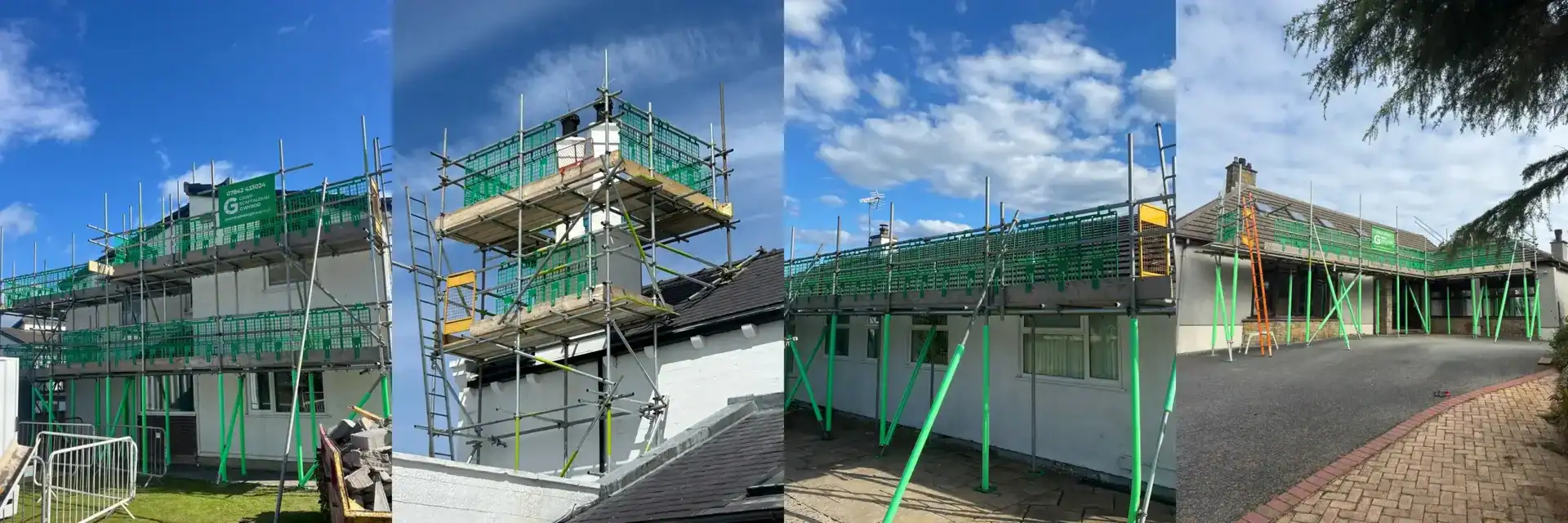
Chimney repairs normally involve working at height. A professionally designed scaffold gives the tradespeople carrying out the repairs a stable platform and allows them to handle their tools and materials more safely.
Repair Exterior Walls and Render
Take a walk around your property and inspect the exterior walls before the weather deteriorates further.
Small cracks in render, damaged pointing and flaking paint may not appear urgent, but repeated exposure to rain and frost can make them worse. Water can enter small gaps and then freeze as temperatures fall, causing the surrounding material to crack or break away.
Pay attention to cracked or loose render, gaps in mortar joints, damp or discoloured areas and exterior paint that has started to peel. You should also check whether vegetation is growing against the walls or whether any sections of cladding have become loose.
Autumn can be a useful time to arrange repairs before the coldest part of the year arrives. However, some exterior products need dry weather and a suitable temperature to be applied correctly, so always ask your chosen tradesperson whether the conditions are right for the planned work.
For larger repairs or work on an upper storey, scaffolding can provide safe access and help the tradesperson complete the job properly.
Inspect Fascias, Soffits and Bargeboards
Fascias, soffits and bargeboards help protect the edges of your roof and support your guttering. Because they are positioned high on the property, signs of wear can be easy to miss.
Look for peeling paint, cracked surfaces, rotten timber or loose sections around the roofline. Gaps may allow birds or pests to enter the roof, while damaged fascias can cause the guttering to pull away from the property.
Problems with fascias and soffits can allow water to enter the roof structure and may also affect ventilation in the loft. Repairing or replacing damaged sections before winter can help protect the property during prolonged periods of wet weather.
Scaffolding is commonly used for fascia, soffit and guttering work because it gives installers access along the roofline without relying on ladders that need to be repeatedly repositioned.
Do You Need Scaffolding for Autumn Maintenance?
Not every exterior maintenance job requires scaffolding. The right access solution will depend on the height and shape of the property, the location of the work, the tools and materials required and how long the job is expected to take.
The surrounding area also needs to be considered. Conservatories, extensions, sloping ground, narrow access routes and nearby pavements can all affect the type of scaffold required.
For larger repairs or work at roof level, scaffolding will often provide a safer and more practical working platform than a ladder. It is helpful to speak to your builder, roofer or scaffolding company early in the planning process so the safest and most suitable setup can be arranged.
Can Scaffolding Be Put Up in Autumn?
Yes, scaffolding can normally be erected and used throughout autumn.
A little rain will not necessarily stop a scaffold from being put up. We are based in North Wales, after all! However, work may need to be postponed during strong winds, lightning, icy conditions or particularly heavy rain.
Safety must always come first. A professional scaffolding company will monitor the weather and ground conditions and let you know if plans need to change.
Autumn is also a busy period for roofers, builders and other exterior trades, particularly following spells of bad weather. Arranging your scaffolding in advance can help you coordinate the different companies involved and avoid unnecessary delays.
Planning Exterior Work in North Wales This Autumn?
Green Scaffolding Group provides domestic and commercial scaffolding across North Wales.
Whether you are arranging roof repairs, chimney work, gutter replacement, rendering or another exterior project, our experienced team can design a safe and practical scaffolding solution for your property.
Every building and project is different, so we will consider the work being carried out, access to the site and any surrounding obstacles before recommending the most suitable setup.
If you are planning exterior maintenance this autumn, contact Green Scaffolding Group to discuss your project and request a quotation.